Texas Use of Force Laws (Plain English) is one of the most important topics for anyone who carries a firearm, yet it is also one of the most misunderstood.
Carrying a handgun does not lower the legal threshold for using force. In fact, it increases your responsibility to understand restraint, proportionality, and lawful decision-making.
What “Use of Force” Means in Texas
Texas law allows force only when immediately necessary to protect against unlawful force.
Deadly force is justified only under narrow circumstances involving:
- Immediate threat
- Reasonable fear
- Proportional response
These standards are defined under the Texas Penal Code, not personal belief or emotion.
What Texas Law Does NOT Allow
Texas law does not allow deadly force:
- To settle arguments
- To protect property alone
- To respond to verbal threats
- To escalate confrontations
- To act out of anger or fear alone
Understanding when not to act is critical.
Why Training Matters More Than Hardware
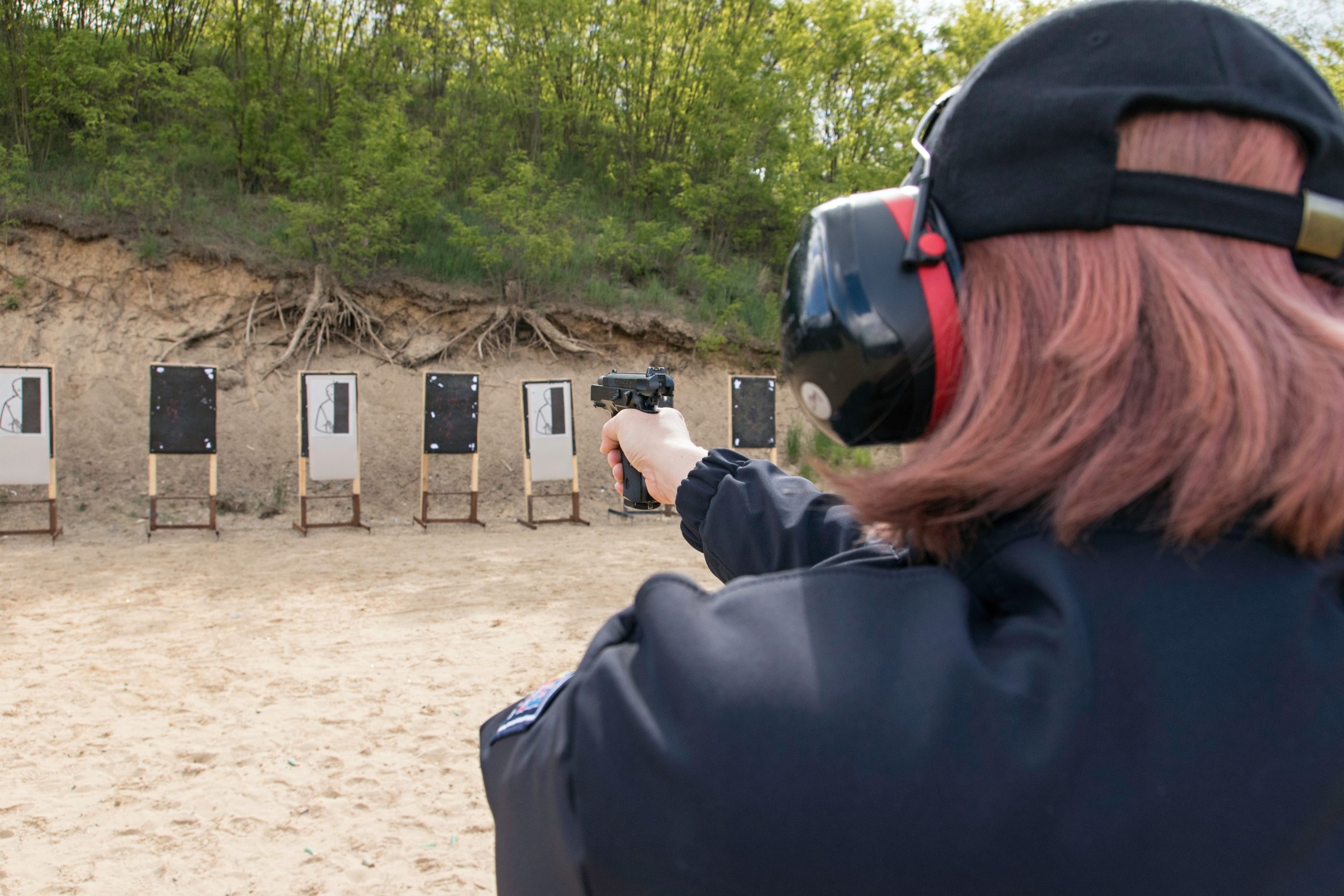
Firearms training emphasizes:
- Avoidance
- De-escalation
- Awareness
- Decision-making under stress
The goal is never to “win” a confrontation, but to avoid one entirely whenever possible.
Use of Force in Urban Areas Like San Antonio
Dense environments increase:
- Bystander risk
- Legal scrutiny
- Consequences of poor judgment
This makes restraint and situational awareness even more important for city residents.
Links
- Texas License to Carry (LTC): Complete Guide for 2026
- Texas Permitless Carry vs LTC Explained
- Where You Cannot Carry in Texas (2026)
Texas LTC
- Enroll in a Texas-approved Online LTC Class to understand use-of-force laws in clear, practical language.
FLX Booking
- FLX training focuses on calm decision-making, not adrenaline or tactics, helping you build judgment and confidence.