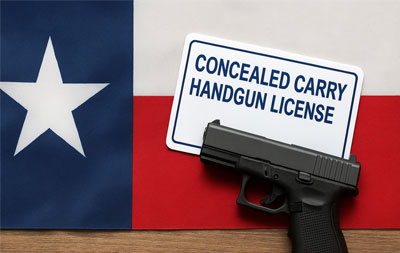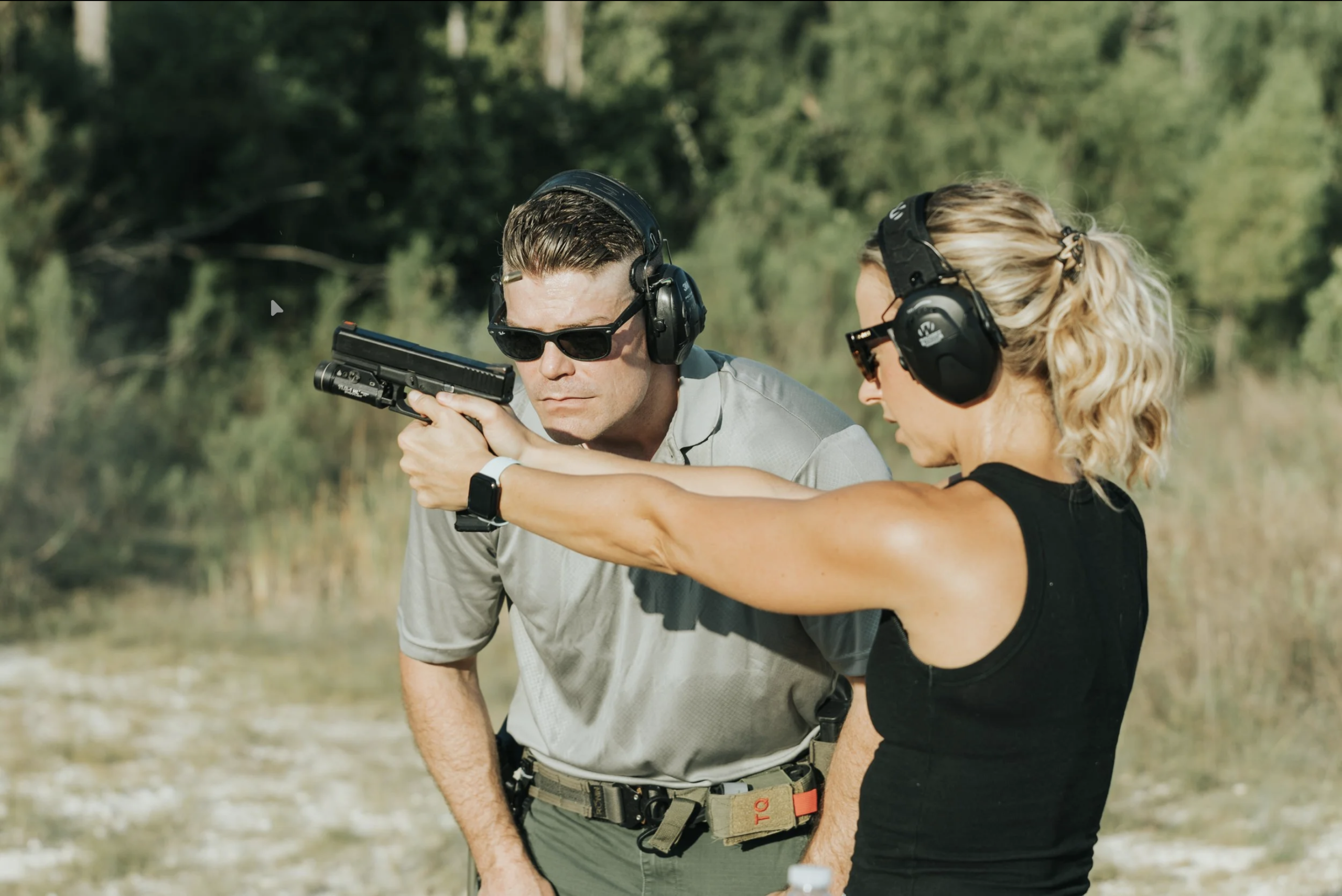
Couples Firearms Training: What Works addresses one of the most common—but least discussed—challenges in firearms education: learning together without pressure.
Couples often seek training together for shared safety, home protection, or future carry decisions. When done correctly, couples training strengthens understanding and trust rather than creating tension.
Why Couples Training Can Be Challenging
Couples training can struggle when:
- One partner has more experience
- Instruction turns into correction
- Comparison creeps in
- Expectations are mismatched
Effective training sets clear boundaries and roles from the beginning.
What Makes Couples Firearms Training Effective
Successful couples training emphasizes:
- Independent learning paths
- One instructor, not two
- Observation as learning
- Encouragement without correction
- Respect for different comfort levels
Each partner progresses at their own pace.
How Couples Training Supports Safety at Home
Training together helps couples:
- Align on safe storage decisions
- Establish shared rules
- Understand each other’s comfort levels
- Prevent assumptions about skill or knowledge
This is especially important in homes with children.
Couples Training and LTC Decisions
For couples considering an LTC:
- Training together builds shared understanding
- Legal responsibilities are clearer
- Carry decisions are intentional, not reactive
Many couples complete foundational training before deciding whether one or both partners will carry.
Links
- Texas License to Carry (LTC): Complete Guide for 2026
- How to Store Firearms Safely in Texas Homes
- Women-Only Firearms Training in Texas
Texas LTC
- If one or both partners plan to carry, enroll in a Texas-approved Online LTC Class to build shared legal understanding.
FLX Booking
- Book a Couples Firing Line Xperience (FLX) designed to support learning together—without pressure or comparison.